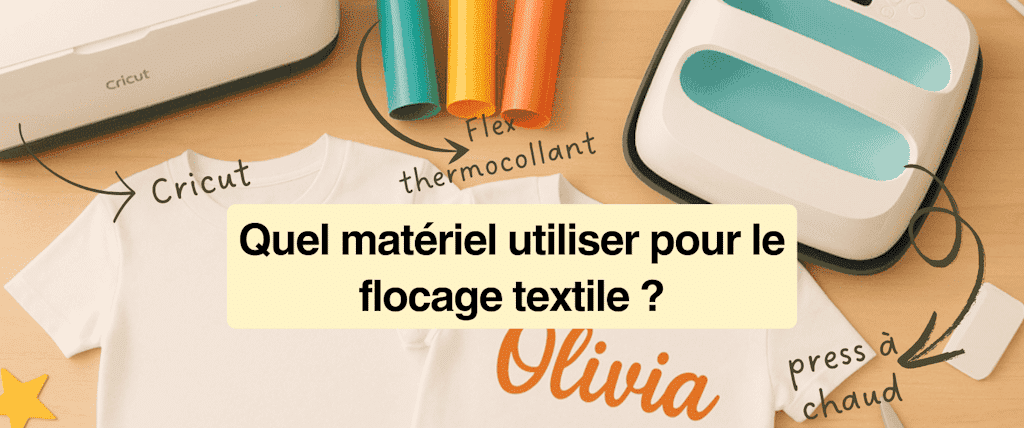
Ti sarà sicuramente già capitato di chiederti: quale materiale usare per la personalizzazione tessile?
🤔
✨
Sono sicura che ti è già capitato di avere tra le mani una t-shirt bianca, una felpa o una tote bag e di sognare di aggiungerci un tocco personale: il tuo nome, una frase che ti ispira o magari un logo d’effetto. L’idea c’è, ma torna sempre la stessa domanda: «da dove comincio?»… e soprattutto: **quale materiale usare per la personalizzazione tessile?
😅**
In tanti pensano che la personalizzazione tessile sia riservata ai professionisti, che richieda attrezzature costosissime o macchine complicate. E invece è totalmente FALSO! Con qualche strumento di base, purché di qualità, puoi già creare pezzi unici, per te, da regalare o magari per iniziare a vendere le tue creazioni!
Allora resta con me, ti guiderò passo dopo passo. Vedremo insieme cos’è esattamente la personalizzazione tessile (promesso, è semplicissima
😉
) e soprattutto quale materiale usare per la personalizzazione tessile per iniziare col piede giusto senza spendere una fortuna.
Che tu voglia provare per curiosità o abbia già la passione per il fai da te, scoprirai che la personalizzazione tessile è una tecnica accessibile e ricca di possibilità
✨
!
1. Cos’è la personalizzazione tessile?
Prima di chiederti quale materiale usare per la personalizzazione tessile, bisogna capire di cosa si tratta esattamente.
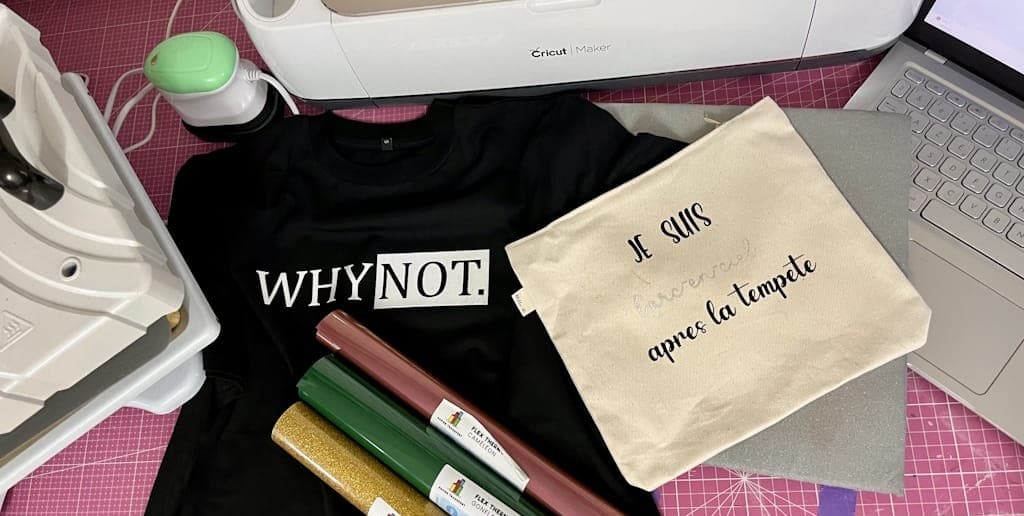
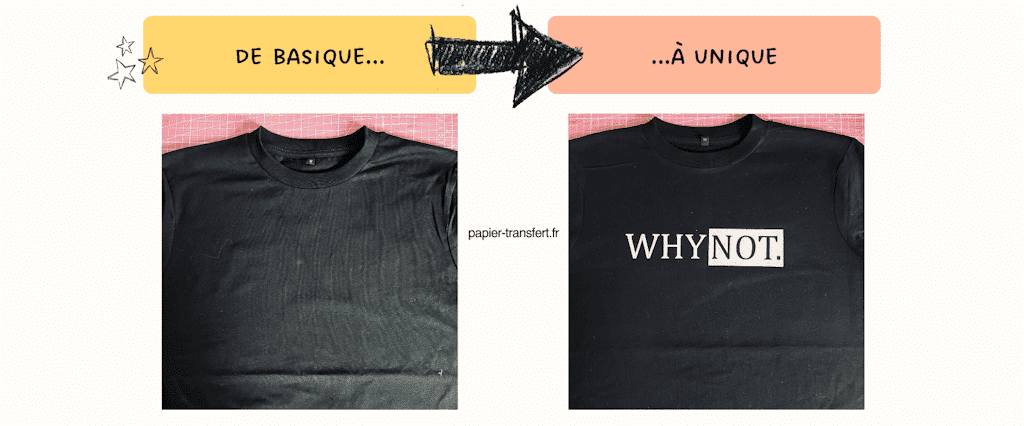
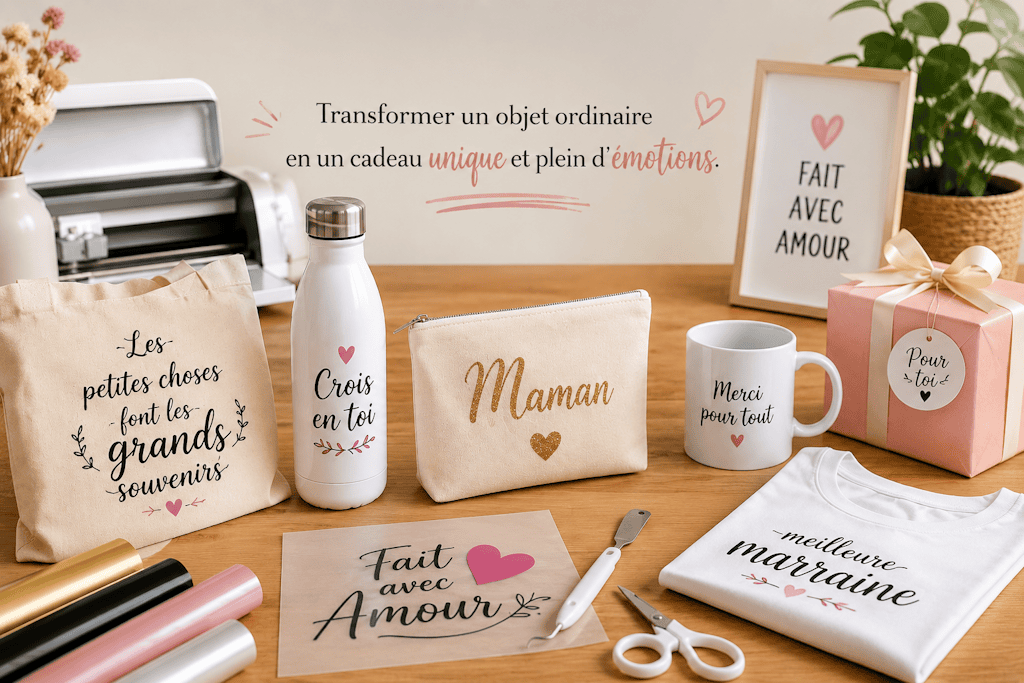
In pratica, è una tecnica di personalizzazione che consiste nel ritagliare un motivo nel vinile termoadesivo e nel trasferirlo poi su un tessuto con il calore (usando un ferro da stiro o una pressa a caldo). Risultato: il tuo design dura nel tempo (grazie alla colla del vinile termoadesivo)
⏳
, sopporta i lavaggi e ha un aspetto professionale, anche se lavori da casa.
È il metodo ideale per personalizzare:
-
t-shirt per bambini o per un evento
-
tote bag per regali originali
-
felpe o cappellini con un logo
Quando ho scoperto questa tecnica per la prima volta, pensavo fosse riservata ai grandi marchi sportivi o ai laboratori specializzati.
In realtà il principio è semplice e, soprattutto, alla portata di tutti. A fare la differenza non è la difficoltà della tecnica, ma usare il materiale di base giusto per riuscire fin da subito (e non scoraggiarti).
Ed è proprio quello che vedremo insieme: quale materiale usare per la personalizzazione tessile senza stress e senza sprechi!
3-2-1… Si parte!
2. Quale materiale usare per la personalizzazione tessile?
✂️
Ora che sai cos’è la personalizzazione tessile, passiamo alla domanda fondamentale: quale materiale usare per la personalizzazione tessile quando si inizia? Niente paura, non ti serve un laboratorio degno di una fabbrica: bastano pochi strumenti per cominciare (potrai investire un po’ alla volta in tutti i vinili termoadesivi che ti fanno venire l’acquolina in bocca
🤤
).
Con questi 5 elementi puoi già personalizzare i tuoi primi capi e ottenere un risultato davvero soddisfacente. È il tuo kit di sopravvivenza per iniziare con la personalizzazione tessile!
💪
E se invece di acquistare un articolo alla volta preferisci un pacchetto di partenza completo, abbiamo il kit perfetto per te! Trovi il nostro pack per iniziare a personalizzare i tessuti come un pro qui!
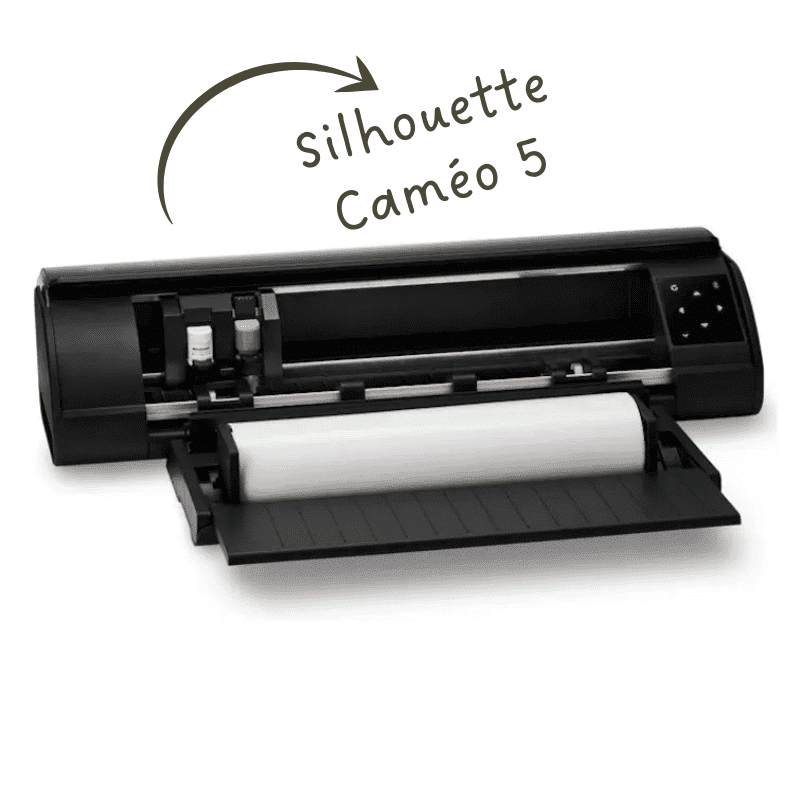
Un plotter da taglio
È l’elemento centrale: ti permette di ritagliare con precisione il motivo nel vinile termoadesivo. Le marche più conosciute sono Cricut e Silhouette. Non serve prendere il modello più costoso fin dall’inizio: un plotter di base va benissimo per fare pratica e imparare (se non sai quale Cricut scegliere, ho scritto un articolo fatto PER TE! Lo trovi proprio qui).
Il vinile termoadesivo
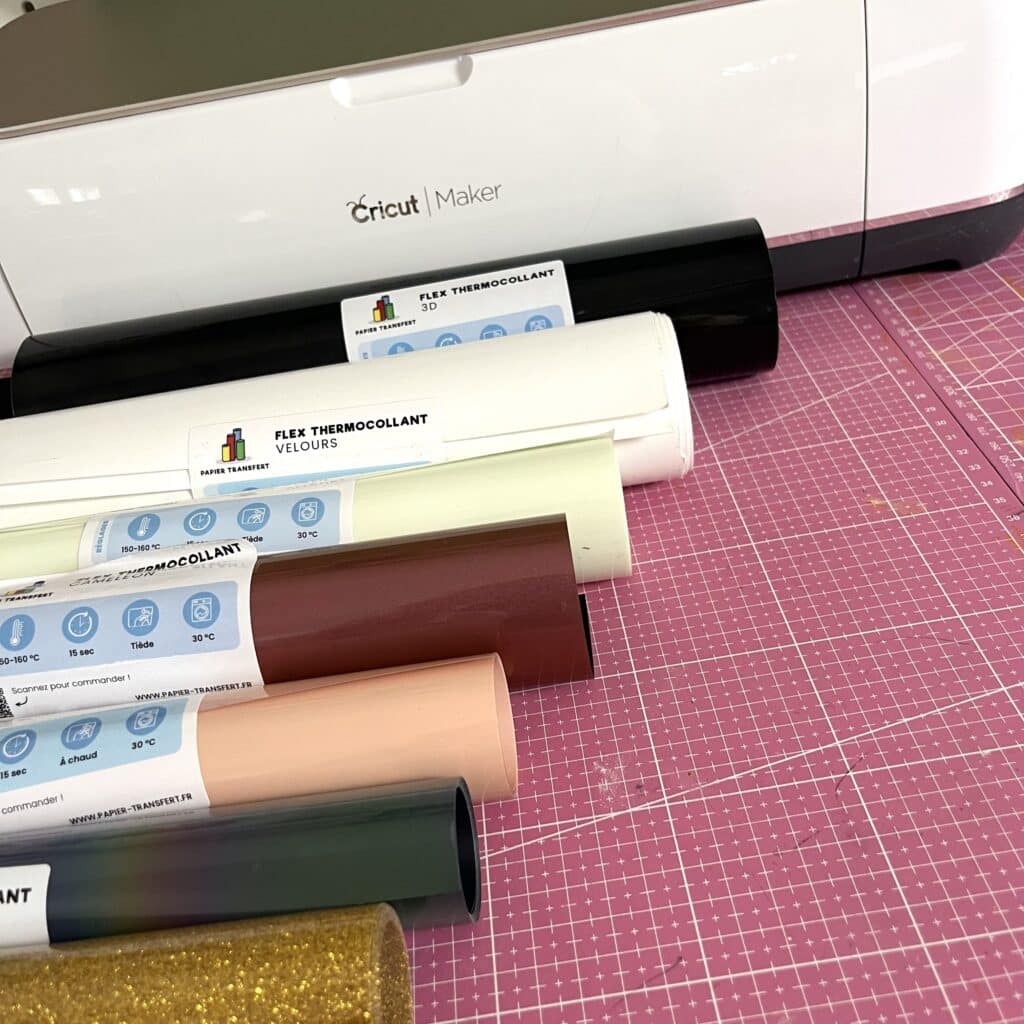
È la vera star della personalizzazione tessile! Esiste in tanti stili: opaco, glitter (per mettere un po’ di brillantini nella tua vita
😅
), olografico, effetto velluto… (e molto altro ancora!) Puoi divertirti a cambiare effetto in base ai tuoi progetti.
Piccolo consiglio: inizia con un vinile termoadesivo premium di base, più facile da tagliare e da applicare (puoi anche aiutarti con una spatola per far aderire bene il vinile al tappetino).
Il tappetino da taglio
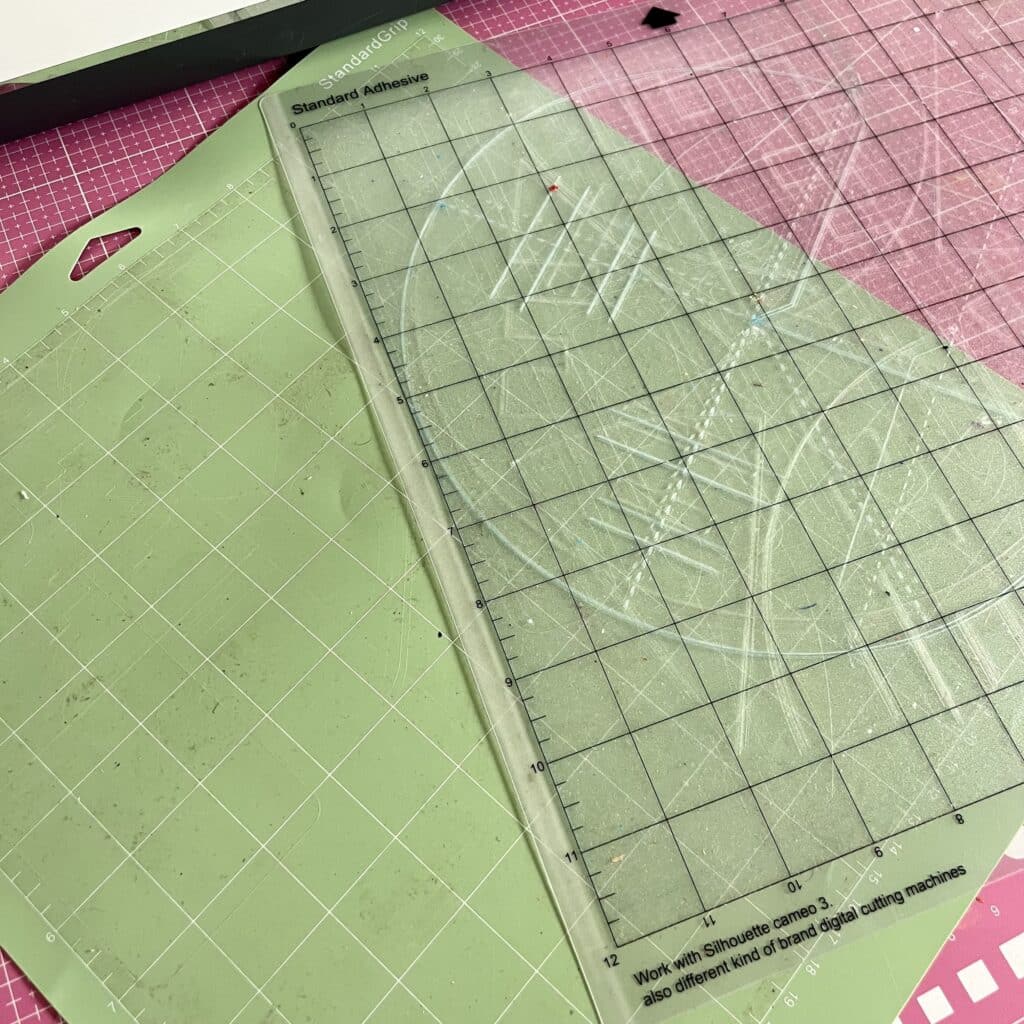
Indispensabile perché il vinile termoadesivo resti ben fermo nel plotter da taglio. Sceglilo in base al tuo plotter (tappetino da taglio Cricut o tappetino da taglio Silhouette Cameo) ma anche in base alle dimensioni. Per la gamma Cricut, poi, sceglilo in base al livello di adesività (lo indica il colore del tappetino).
Una pinzetta per spellicolatura
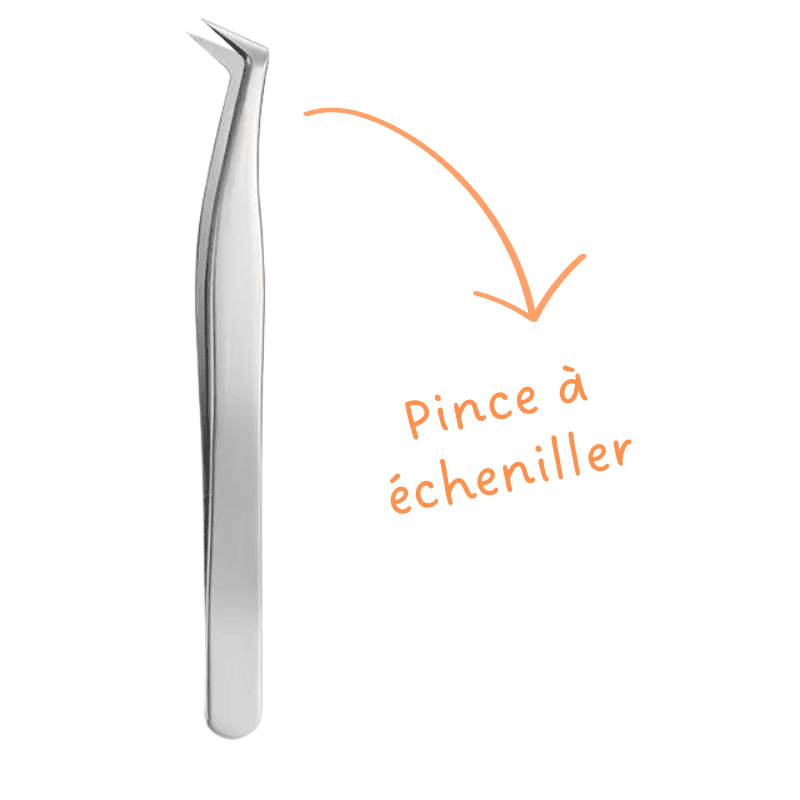
È lo strumento che ti permette di togliere i piccoli pezzi di vinile termoadesivo in eccesso dopo il taglio. Sembra una cosa da niente, ma senza rischi di strapparti i capelli sui dettagli più minuscoli!
😅
Quindi non fare a meno di questa pinzetta per spellicolatura!
Una fonte di calore: ferro da stiro o pressa a caldo
-
Ferro da stiro: perfetto per iniziare con un piccolo budget. Funziona, ma bisogna essere precisi con temperatura e pressione (ricordati di non usare il vapore). Quindi sì, ma attenzione a non bruciare il tuo capolavoro!
-
Pressa a caldo (quella che usa Tim nella foto
😊
): lo strumento dei professionisti, ma anche degli appassionati di fai da te come noi. Garantisce temperatura e pressione costanti e, soprattutto, uniformi, per un risultato impeccabile e duraturo.
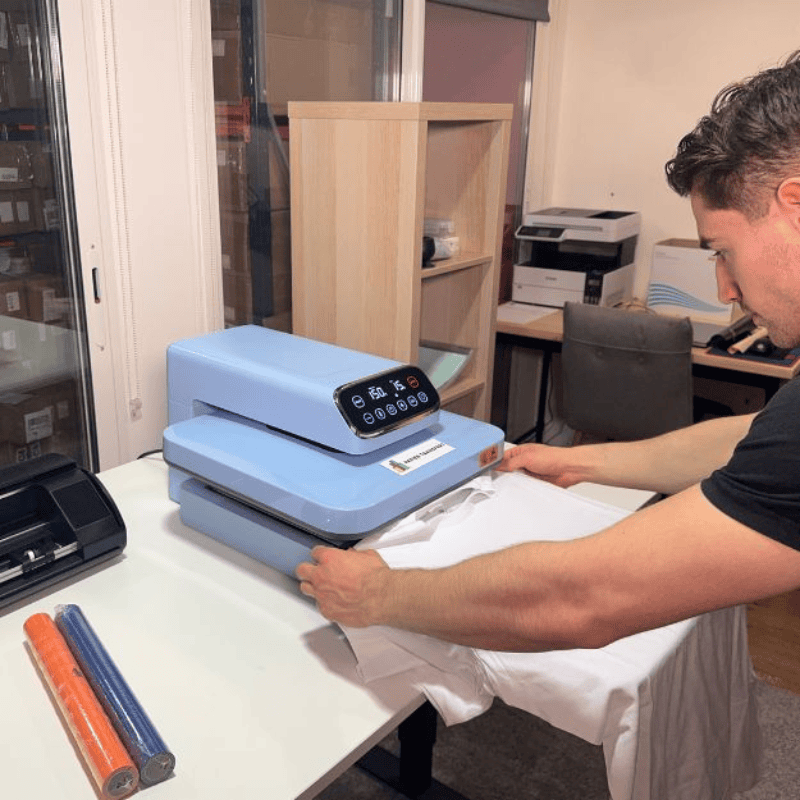
Puoi iniziare con un ferro da stiro, ma quando vorrai produrre con più regolarità, la pressa a caldo diventa una vera comodità. Guadagni in precisione e velocità e, soprattutto, i tuoi motivi resistono molto meglio ai lavaggi.
3. I bonus che cambiano tutto
Abbiamo visto quale materiale usare per la personalizzazione tessile quando si inizia. Ma siamo onesti: esistono anche dei piccoli strumenti extra che all’inizio non sono indispensabili, ma che… diciamolo, ti faranno risparmiare tempo, miglioreranno la qualità e… ti semplificheranno la vita.
Il foglio di teflon
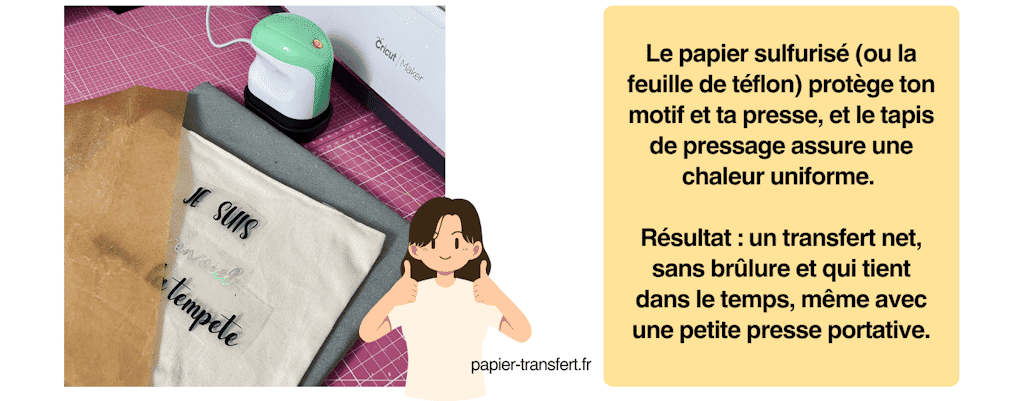
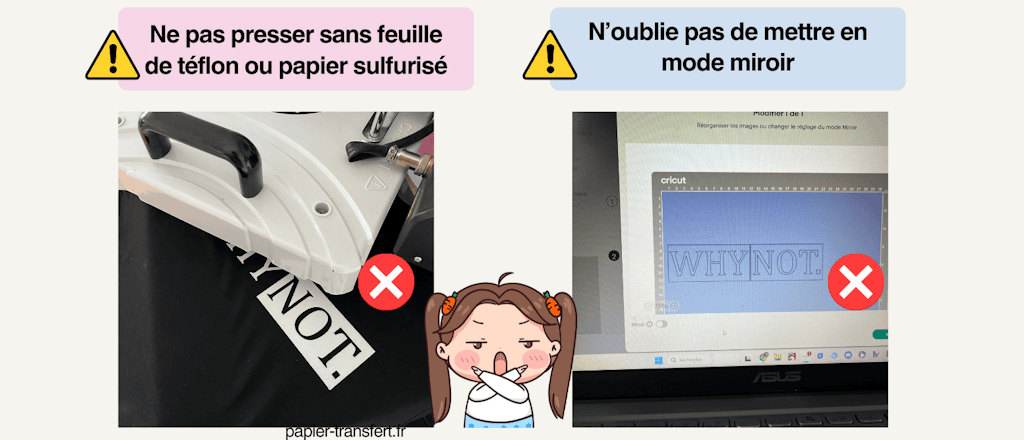
Il foglio di teflon è una protezione da mettere tra la pressa (o il ferro) e il motivo. Evita che il vinile termoadesivo si attacchi o bruci e allunga la durata delle tue creazioni. Personalmente, la prima volta che mi sono dimenticata di usarlo… mi sono ritrovata con un bel pezzo di vinile fuso attaccato alla piastra del ferro
😅
(se capita anche a te, aspetta che si raffreddi completamente prima di rimuoverlo: si toglierà molto più facilmente!).
Trucchetto: se non hai ancora un foglio di teflon, la carta da forno sarà la tua alleata!
Un righello di centratura o una guida di allineamento
Perché un motivo posizionato male può rovinare un intero progetto. Questo righello di centratura ti permette di posizionare le tue creazioni sempre nel punto giusto (ideale, per esempio, per le t-shirt).
Tessuti «di prova»
Prima di personalizzare il tuo capo preferito, è meglio fare pratica su qualche t-shirt basic o magari sul grembiule da cucina. Così prendi confidenza e provi diverse impostazioni senza stress (e senza piangere sulla tua felpa preferita
😭
).
Tappetino di pressatura
Il tappetino di pressatura si mette tra la pressa e il tessuto per distribuire calore e pressione in modo uniforme. Protegge sia il tessuto sia il vinile, evita segni indesiderati e garantisce un trasferimento netto e duraturo.
PS: il tappetino di pressatura serve solo se usi una pressa portatile; con la pressa termica AutoMagic non ne avrai bisogno!
Questi strumenti non sono obbligatori ma, credimi, fanno tutta la differenza quando inizi ad appassionarti alla personalizzazione tessile. Trasformano un’esperienza a volte un po’ approssimativa in un vero piacere creativo.
✨
👉
Ora che abbiamo visto quale materiale usare per la personalizzazione tessile, scopriamo insieme gli errori più frequenti dei principianti da evitare per non perdere tempo (e soprattutto soldi)!
4. Gli errori più frequenti da evitare
Quando si inizia con la personalizzazione tessile, commettiamo tutti gli stessi piccoli errori. Ed è normale! Ma se vuoi evitare di perdere tempo (e a volte soldi), ecco le trappole più comuni.
**❌**Dimenticare di attivare la modalità specchio prima del taglio
Può sembrare una sciocchezza, ma è un errore frequentissimo! Il vinile termoadesivo si taglia con il lato stampato o lucido rivolto verso il basso: se dimentichi di attivare la modalità specchio prima del taglio, il motivo o il testo risulterà invertito una volta trasferito sul tessuto.
😬
Risultato: il tuo nome, il tuo logo o la tua frase sarà al rovescio… e toccherà rifare tutto. Per evitare questo passo falso, ricordati sempre di attivare la modalità specchio prima di avviare il taglio, soprattutto per testi o design asimmetrici.
**❌
Scegliere tessuti di scarsa qualità**
Puoi avere il miglior vinile termoadesivo del mondo, ma se la t-shirt è troppo sottile o tagliata male, il risultato non sarà mai al top. Investi fin dall’inizio in tessuti di buona qualità: fa tutta la differenza per il risultato e per la durata.
**❌
Gestire male la temperatura e il tempo di pressatura**
Troppo caldo? Il vinile termoadesivo si scioglie. Non abbastanza? Non aderisce bene. È uno degli errori più frustranti. Il segreto: leggere con attenzione le indicazioni fornite con il tuo vinile termoadesivo (ogni tipo ha le sue impostazioni precise).
Da Transfer Paper trovi tutte le indicazioni per l’applicazione a caldo nella pagina prodotto di ogni vinile termoadesivo!
**❌
Voler fare tutto troppo in fretta**
Non vedi l’ora di vedere il motivo sul tuo tessuto? Ti capisco. Ma fare la spellicolatura di corsa o applicare il design storto dà subito un effetto da dilettante. Prenditi il tuo tempo: ogni passaggio conta.
**❌**Stirare sopra il vinile termoadesivo dopo il lavaggio
In tanti pensano che, per togliere le pieghe dal capo, basti stirare direttamente sopra il motivo. Pessima idea! Il calore del ferro può far sciogliere o staccare il vinile, anche dopo diversi lavaggi.
Anche stirare il capo al rovescio non sempre protegge il motivo: se la temperatura è troppo alta o se resti troppo a lungo nello stesso punto, il vinile può comunque staccarsi, soprattutto quello sottile o glitter.
👉
In breve: fai le cose semplici, scegli un buon materiale e rispetta le basi. Sono errori facili da evitare, se sai a cosa fare attenzione.
E per aiutarti a partire col piede giusto, ora condivido con te qualche consiglio pratico che farà tutta la differenza.
5. Consigli pratici per iniziare bene
Ora che sai quale materiale usare per la personalizzazione tessile e quali errori evitare, ecco qualche trucchetto perché i tuoi primi progetti vadano a buon fine, senza stress.
✅
Inizia in piccolo
Non serve lanciarti su una felpa da 50 € al primo tentativo: meglio partire da t-shirt basic, tote bag o cuscini, con motivi piccoli. Così imparerai a usare bene il tuo plotter e il vinile termoadesivo senza sprecare materiale.
✅
Annota le tue impostazioni
Ogni tipo di vinile e ogni tessuto richiedono impostazioni precise (temperatura, tempo di pressatura, pressione). Un quadernino in cui annotare tutto ti farà risparmiare un sacco di tempo e ti eviterà di ripetere gli stessi errori.
PS: tutte le impostazioni di taglio dei nostri vinili termoadesivi (e dei nostri vinili adesivi) sono indicate in ogni scheda prodotto. Non esitare a controllare che sia tutto a posto prima di avviare il taglio!
✅
Prova diversi tipi di vinile termoadesivo
Opaco, glitter, velluto, 3D… Ogni vinile ha il suo effetto e la sua facilità di applicazione. Prova stili diversi per scoprire cosa preferisci e cosa funziona meglio con i tuoi tessuti.
✅
Osa creare e condividere
Non aver paura di lanciarti. Anche se al primo tentativo non sarà perfetto, è con la pratica che migliorerai. Regala le tue creazioni a familiari o amici: i loro commenti saranno preziosi e ti daranno la carica.
✅
Prenditi il tuo tempo
La personalizzazione tessile richiede un po’ di pazienza, soprattutto all’inizio. Ogni fase conta: taglio, spellicolatura, posizionamento e trasferimento. Più ci metterai cura, migliore sarà il risultato finale.
Questi consigli semplici ma efficaci ti aiuteranno a trasformare i tuoi primi passi nella personalizzazione tessile in un’esperienza piacevole e ben riuscita.
✨

6. Tocca a te!
Ora sai quale materiale usare per la personalizzazione tessile e come evitare gli errori da principiante. Con un plotter da taglio, del vinile termoadesivo, un tappetino adatto, una pinzetta per spellicolatura e una pressa, hai già tutto quello che serve per creare i tuoi primi pezzi unici.
Il resto sono extra e trucchetti che renderanno il lavoro più comodo e le tue creazioni ancora più belle, ma la cosa più importante è lanciarti e lasciare spazio alla tua creatività.
La personalizzazione tessile non è complicata: è una tecnica alla portata di tutti, che ti permette di personalizzare vestiti, accessori e regali come preferisci. Allora non aspettare oltre: prova, sperimenta e divertiti!
E tu, quale sarà il tuo primo progetto di personalizzazione tessile? Raccontacelo nei commenti o sui nostri social: non vedo l’ora di scoprire le tue idee!
💡
Se vuoi approfondire ed evitare i classici intoppi da principiante, puoi dare un’occhiata al nostro articolo «Tutorial Cricut per principianti: la tua prima personalizzazione tessile». Credimi, cambia tutto e ti fa risparmiare un sacco di tempo.
FAQ: personalizzazione tessile
Ora hai tutte le carte in regola per lanciarti nella personalizzazione tessile e scegliere il materiale giusto.
💡
Per rispondere ancora meglio alle tue domande e aiutarti a evitare gli errori più comuni, ecco una FAQ pratica con i dubbi che hanno spesso i principianti.
**❓
Cos’è la personalizzazione tessile?**
È una tecnica che consiste nel trasferire su un tessuto un motivo ritagliato nel vinile termoadesivo grazie al calore, con un ferro da stiro o con una pressa a caldo. Permette di personalizzare t-shirt, tote bag, felpe e tanti altri tessuti.
**❓
Quale materiale è indispensabile per iniziare?**
Per partire ti servono:
-
Un plotter da taglio (Cricut, Silhouette…)
-
Del vinile termoadesivo
-
Un tappetino da taglio adatto
-
Una pinzetta per spellicolatura
-
Un ferro da stiro o una pressa a caldo
**❓
Si possono personalizzare i tessuti con un semplice ferro da stiro?**
Sì! Per iniziare può bastare un ferro da stiro, a patto di rispettare temperatura, tempo e pressione consigliati per il tuo vinile termoadesivo. Per un risultato più preciso e duraturo, però, la pressa a caldo resta l’ideale.
**❓
Su quali tessuti si può applicare il vinile termoadesivo?**
Il vinile termoadesivo si applica sulla maggior parte dei tessuti in cotone, poliestere o misto cotone/poliestere. Evita i tessuti molto sottili, elastici o delicati, che potrebbero non sopportare bene il calore.
**❓
Quali errori evitare quando si inizia?**
-
Comprare troppo materiale fin dall’inizio
-
Scegliere tessuti di scarsa qualità
-
Gestire male temperatura, pressione e tempo di pressatura
-
Voler fare tutto troppo in fretta e fare di corsa la spellicolatura o l’applicazione
**❓
Come capire quale vinile termoadesivo scegliere?**
La scelta dipende dall’effetto che desideri: opaco, glitter, velluto, olografico… Per iniziare è consigliabile un vinile termoadesivo classico di buona qualità. Potrai provare gli altri stili man mano che acquisisci esperienza.
**❓
Si possono lavare i capi personalizzati?**
Sì, i capi personalizzati resistono ai lavaggi se rispetti alcune regole: lavarli al rovescio, a temperatura moderata, evitare un’asciugatrice troppo calda e non stirare direttamente sul vinile, così il motivo durerà più a lungo.

Commenti
Ancora nessun commento. Scrivi il primo e racconta la tua esperienza.
Lascia un commento